



As we enter 2026, Germany will once again provide Ukraine with substantial support – including some of the most advanced military equipment – for its defence against the Russian army.
In fact, since the discontinuation of most US aid last year, Germany has assumed the role of Ukraine’s “biggest supporter” for the first time at the beginning of a new year – an enormous responsibility!
In light of this, the German government, led by Chancellor Friedrich Merz, has slightly increased the funds available for this year’s military assistance to around €11.5 billion. With expected reimbursements, for example via the European Peace Facility, the total amount is expected to be around €12 billion.
Although this still falls far short of meeting the needs of the Ukrainian army, it nevertheless means that, as in the previous year, the Federal Ministry of Defence has a record amount at its disposal.
But what new deliveries can Ukraine expect in the current year? What is certain is that the German government will continue to adhere to Friedrich Merz’s communication guidelines and will only sporadically release new information about its military support for Ukraine.
Nevertheless, based on my own sources and information published both some time ago and recently by the German government and the Ukrainian Ministry of Defence, I can draw up a rough list of military equipment scheduled for delivery this year.
Obviously, this is just a partial list, and Germany’s military support for Ukraine will be way more extensive.
Air Defence
As in previous years, the German government continues to focus on modernising the Ukrainian Air Force so that it can effectively defend itself against Russia’s daily attacks with drones, cruise missiles and ballistic missiles.
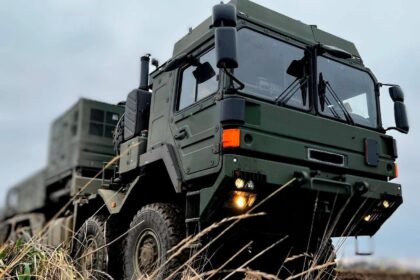
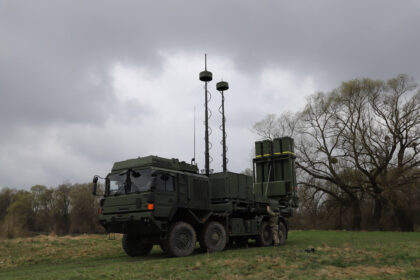
The focus is particularly on the IRIS-T SLM air defence system marketed by Diehl Defence, which has been performing brilliantly in Ukraine since 2022 with almost perfect interception rates.
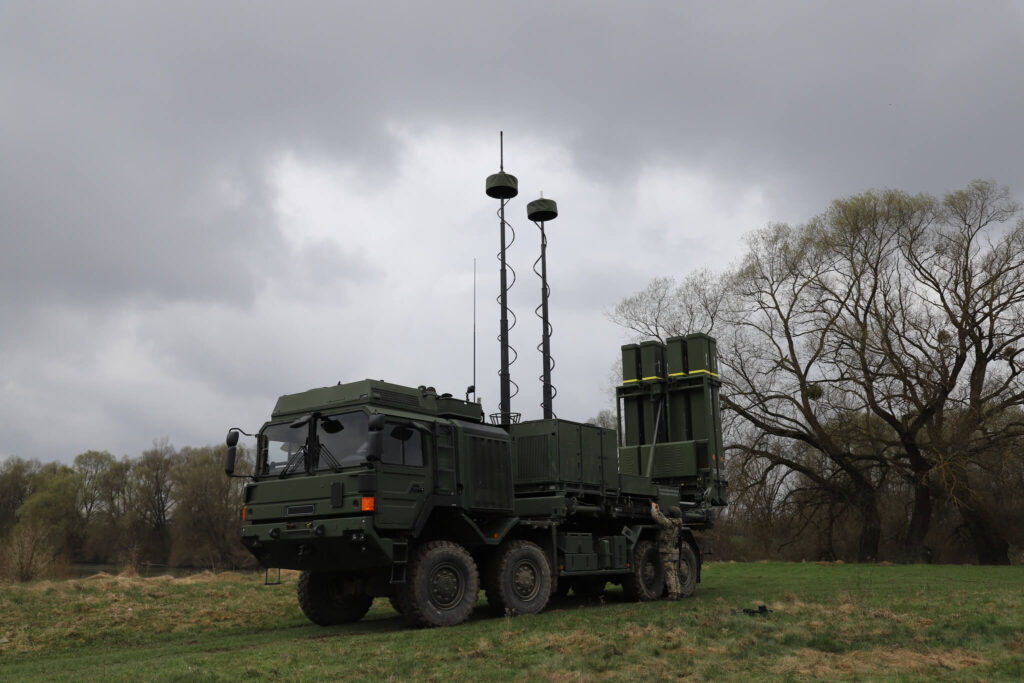
According to a source familiar with the deliveries, the deliveries financed by Germany are expected to remain at the same level as they were in 2025.
This means that Ukraine can expect to receive at least three, possibly four IRIS-T SLM fire units. Each fire unit will also be equipped with two additional IRIS-T SLS launchers, which, as their missiles are less powerful but also significantly cheaper, will be used in particular for the defence against drones when other means are not available.
Upon completion of the deliveries, the Ukrainian army would thus operate a total of 12 IRIS-T SLM fire units with an additional 24 integrated IRIS-T SLS launchers.
It is not known how many missiles will be delivered to Ukraine over the course of the year. However, it is clear that the number will be at least in the low three digits, likely even in the mid three digits.
In addition, according to Minister of Defence Boris Pistorius, “a large number” of AIM-9 Sidewinder missiles are also to be delivered. These originate from Bundeswehr stocks and, among other applications, are being used in the so-called “FrankenSAM systems” in Ukraine.
The cannon-based air defence systems supplied by Germany – such as the Gepard and the Skynex – will also receive new ammunition deliveries.
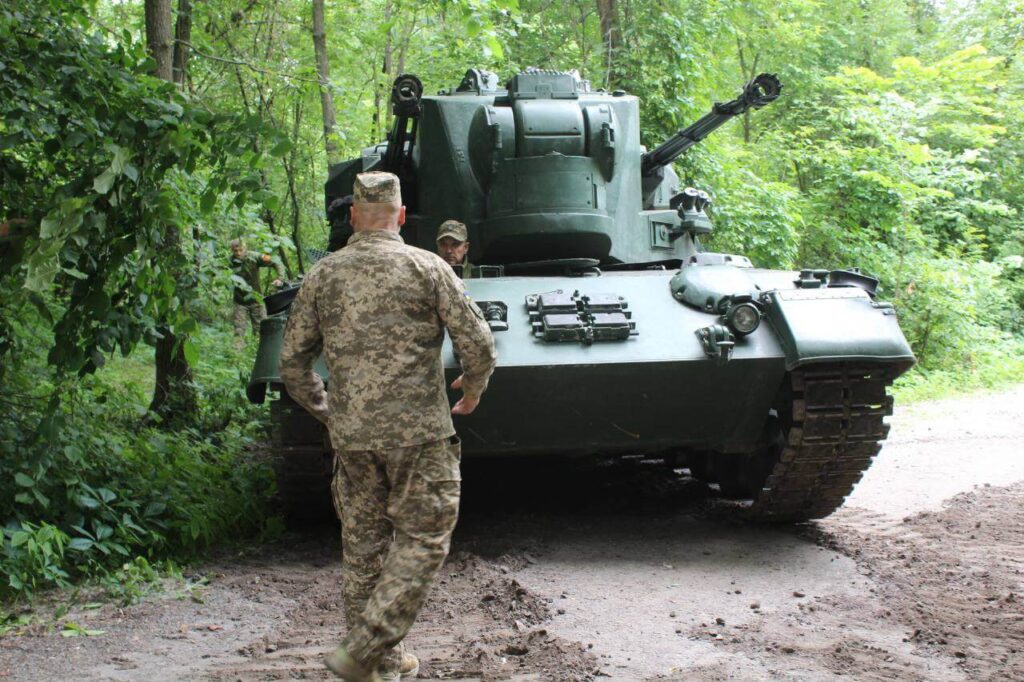
In December 2024, a contract financed by Germany was concluded between the Ukrainian Ministry of Defence and Rheinmetall, securing the delivery of a total of 180,000 rounds of HEI-T ammunition.
An unknown portion of these are to be delivered during the current year so that the Gepard and Cheetah SPAAGs have sufficient ammunition available throughout the year to continue to be effective, particularly against Russian loitering munitions.
The state-of-the-art Skynex air defence systems protecting critical infrastructure in western Ukraine are also certain to receive new ammunition deliveries in the course of the year, even though no public information is currently available on this.
Artillery
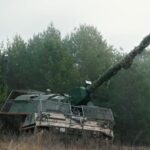
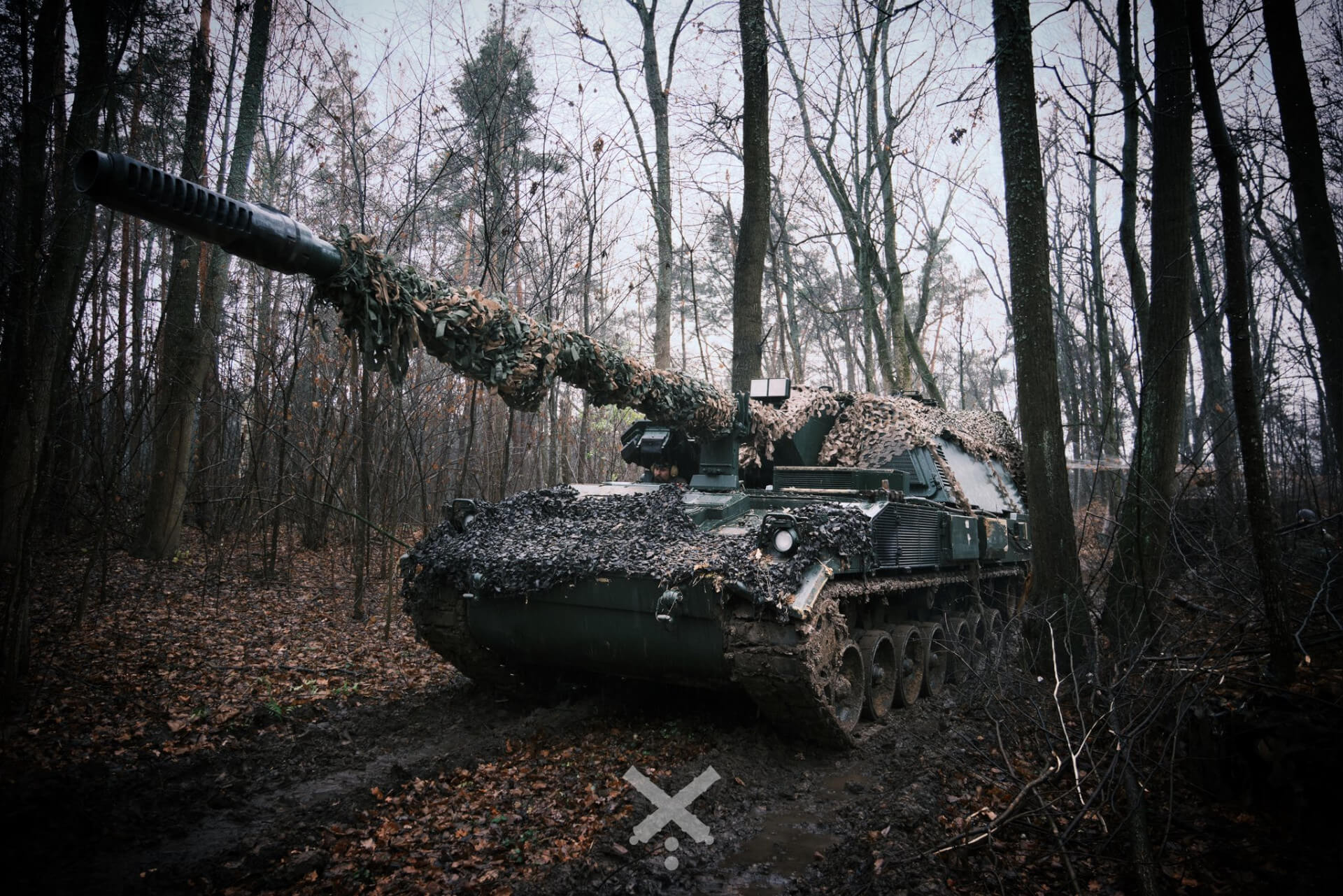
There will also be some significant developments in the area of artillery this year. Additional Panzerhaubitze 2000 artillery systems and the first RCH 155s are scheduled for delivery this year.
A total of 18 newly produced PzH 2000s (including spare parts) were promised in a support package announced in February 2024, with deliveries scheduled to begin this year and be completed next year.
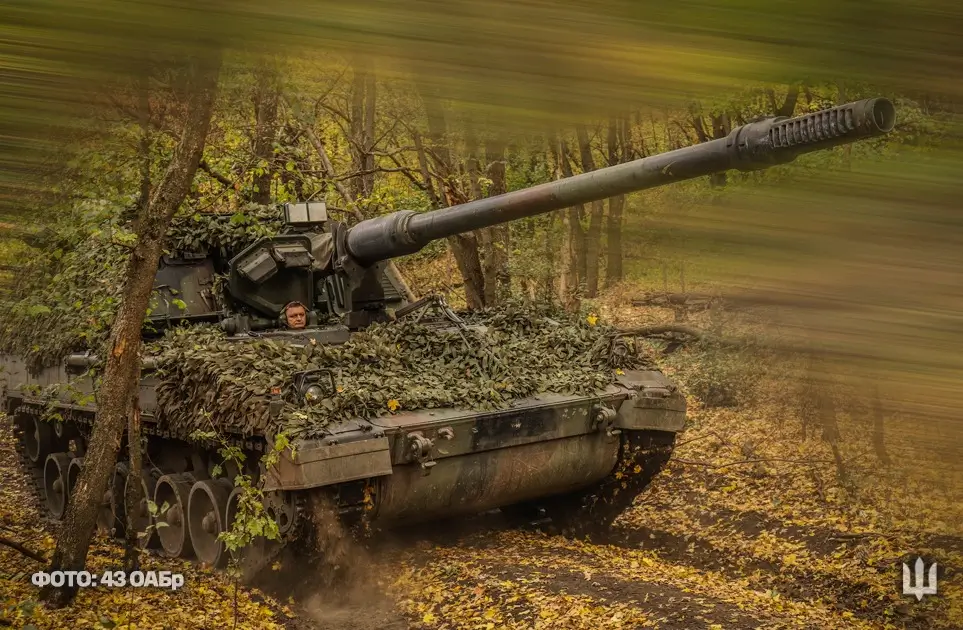
However, the exact number of PzH 2000s to be delivered this year is not known. It is unlikely to be sufficient for an actual increase in capabilities, meaning that the systems to be delivered will “only” compensate for temporary and permanent losses at the front.
The same applies to the state-of-the-art RCH 155. The first six systems, which are part of a batch contracted at the end of 2022, were actually supposed to be delivered to Ukraine last year.
Although the first artillery system was formally handed over to Ukraine in January last year and training on the system began in Germany, to my knowledge no deliveries had been made to Ukraine by the end of the year.
Just a few months ago, the then managing director Ralf Ketzel was asked by the Ukrainian version of DW in an interview about a report I had written some weeks earlier, which focused on repeated delivery delays.
In the interview published in August, Ketzel announced that testing and training on the system had led KNDS Germany to make various changes to the RCH 155. In addition, as of August, there were still technical difficulties that needed to be resolved. At that time, the system had also yet to be integrated into the Ukrainian combat management system.
Therefore, nothing further is publicly known about the current status of the project. However, we do know that the total of 54 RCH 155s, which were contracted for an astonishing €890 million, are to be delivered by at least 2027, and likely even by 2028.
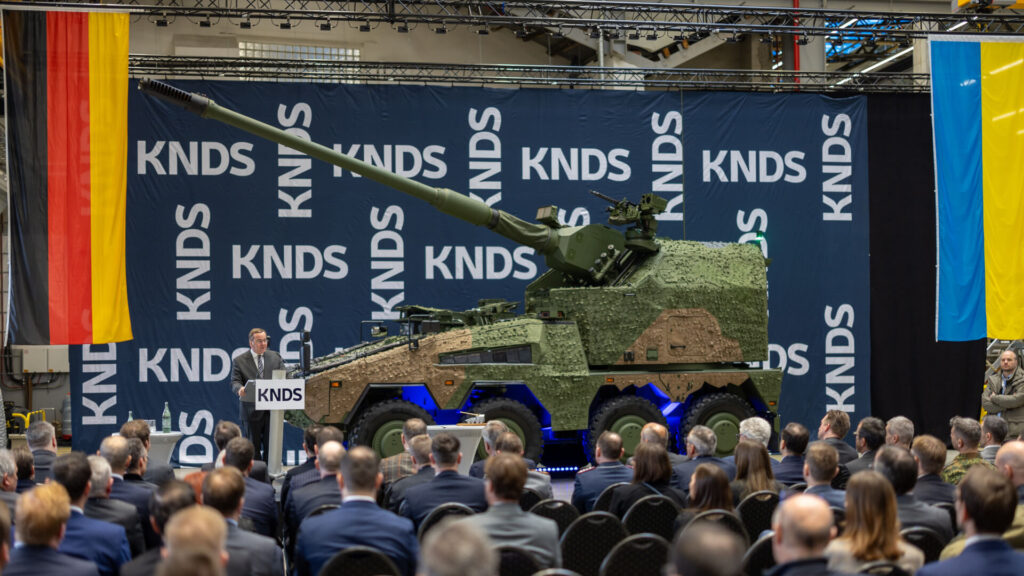
It is therefore highly unlikely that a larger number will find their way to Ukraine this year.
Of course, every artillery system also requires a certain amount of ammunition. To date, the German government has supplied Ukraine with a wide variety of artillery ammunition in 122mm (secondary) and 155mm (primary) calibres.
Thanks to the German government’s communications policy, which is no longer quite so new, it is not known how much was delivered in total last year.
However, almost 500,000 shells were planned to be delivered, of which 120,000 can be verified as having been delivered by April 2025, so I assume that deliveries this year will remain at roughly the same level, even if they will focus more on the 155mm calibre, provided that no additional contracts have been concluded.
In addition to systems and ammunition, further spare parts are of course also produced and delivered. One example worth mentioning here is the continuous delivery of replacement barrels for the PzH 2000, which were contracted in 2024 for a three-digit million euro sum.
Drones
After state-of-the-art air defence systems and highly effective artillery systems, we now turn our attention to the planned deliveries of a wide variety of drone systems.
These notably include both the financing of the production of German and Ukrainian drones in Germany with subsequent delivery to the Ukrainian army and the financing of the production of German and Ukrainian drones in Ukraine.
The flagship of German drone deliveries continues to be the Vector, which is produced by the German drone manufacturer Quantum Systems. The Vector was already deployed in the first weeks and months of Russia’s full-scale invasion of Ukraine and is highly appreciated by its users.
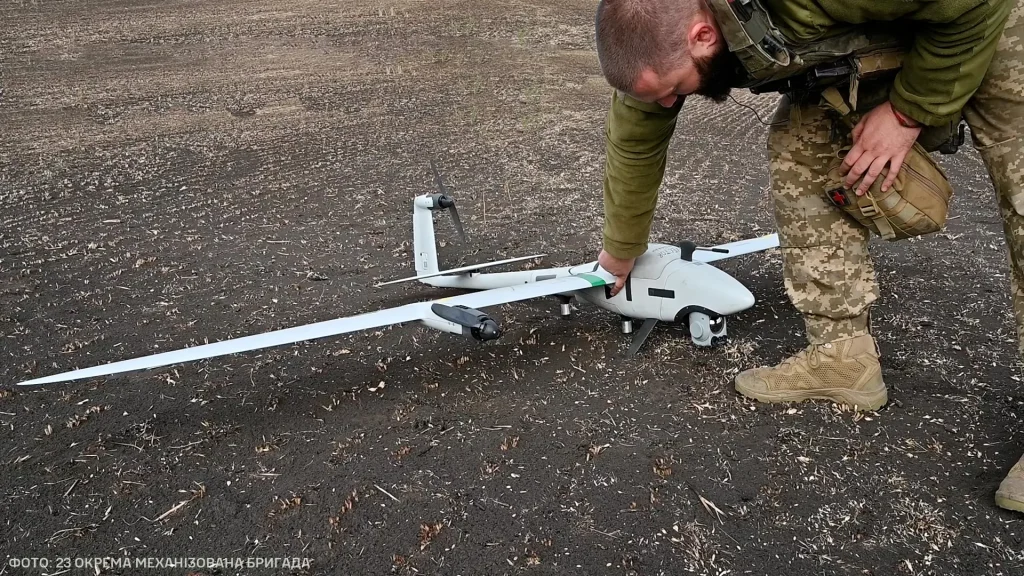
The company informed me that it would continue to deliver Vector reconnaissance drones to Ukraine on behalf of the German government throughout the current year.
Although they did not want to disclose the planned scope of delivery to me due to the German government’s current communication policy, it is likely to be at least a mid-three-digit number again.
For the first time, Ukrainian drones produced outside of Ukraine in Germany are also set to be delivered. These are multifunctional LINZA drones, which are used on the front line as “bomber drones”, among other purposes.
These are being manufactured in a joint venture between Frontline Robotics and Quantum Systems (GAU reported). Here, too, I have received official confirmation that deliveries will begin this year.
In addition, there will most likely be more AN-196 Liutyi long-range OWA UAVs delivered throughout the year. The German government financed more than 500 of these drones through a contract signed in July 2025 between the Ukrainian Ministry of Defence and the Ukrainian arms industry.
Although Major General Christian Freuding, then Head of the Situation Centre Ukraine in the German Ministry of Defence, announced in July 2025 that deliveries were to begin that same month, it is not yet known whether the deliveries have been completed so far.
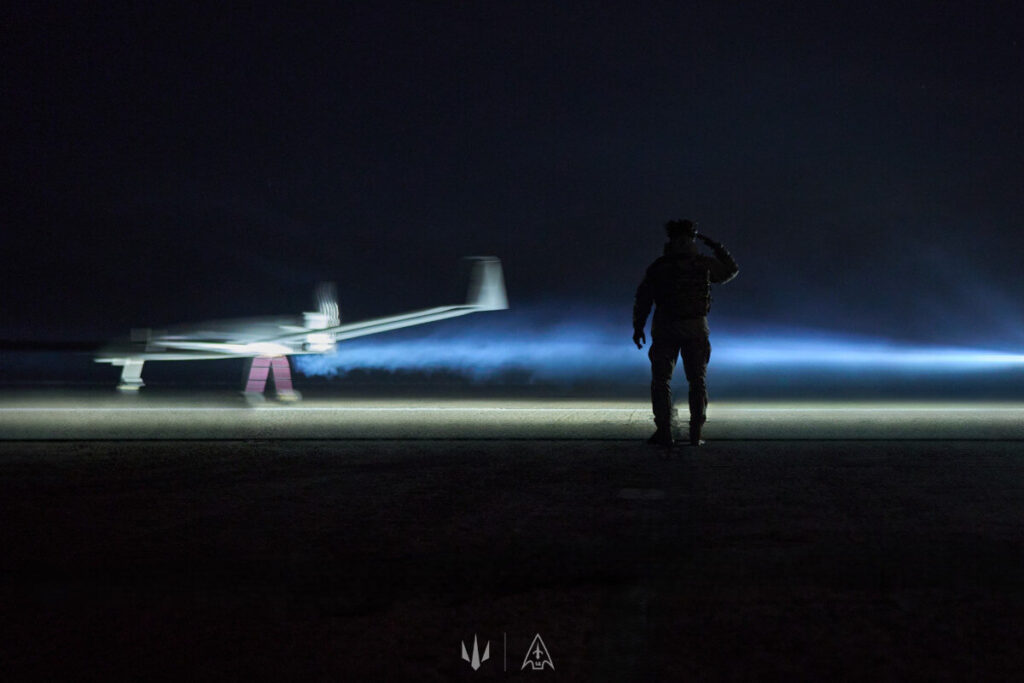
Personally, I think it is likely that some systems could still be delivered this year, which is why I wanted to mention them briefly here. This also applies to the (little-known) interceptor drones financed by Germany.
Medical equipment and IT
To conclude this article, I would like to mention the outstanding deliveries of medical equipment and financial support as part of the ongoing digitalisation of the Ukrainian army.
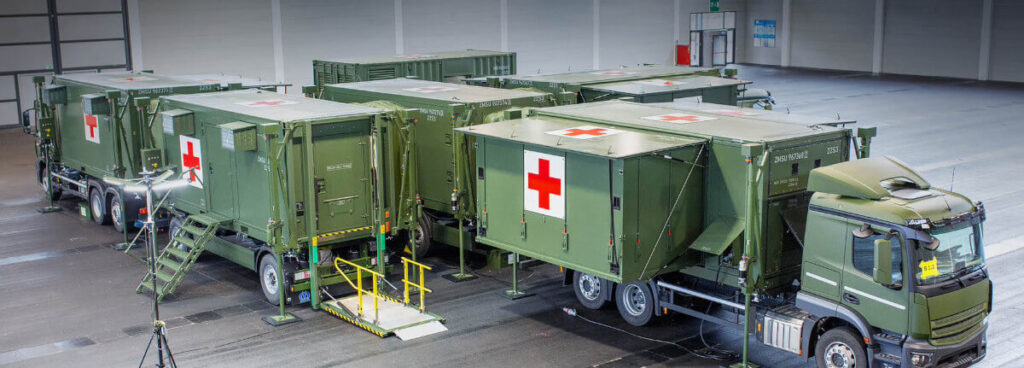
The delivery of modern rescue stations, which were contracted with Rheinmetall in August 2024, is expected to be completed by the end of the year.
As of July 2025, a total of six rescue stations are still pending delivery. Each individual rescue station consists of three truck convoys with trailers, which contain a functional medical treatment centre with various areas – including triage, emergency care, X-ray, an operating room and an intensive care unit.
In addition, the German government continues to support Ukraine in the ongoing digitalisation of the Ukrainian army.
In October last year, an agreement was signed between the Ukrainian and German defence ministries, which guarantees the provision of financial resources for the digitalisation of the Ukrainian defence sector between 2026 and 2028.
According to the Ukrainian Ministry of Defence, this specifically involves the provision of financial resources to support the development, testing and technical maintenance of the “Army+” and “Reserve+” apps, as well as the functional expansion, scaling and protection of the DELTA combat system infrastructure.
The funds will also be used to expand the digital ecosystem and the Cyber Incident Response Centre of the Ukrainian Ministry of Defence, among other initiatives.
Conclusion
In conclusion, it can be said that Germany is continuing to provide Ukraine with extensive support in the form of effective, state-of-the-art military equipment this year.
While this provides an overview of the publicly known deliveries – with a few exceptions – it still represents only a fraction of the deliveries actually planned.
For example, it should also be self-evident that the delivery of further ammunition and spare parts packages for the weapon systems and vehicles supplied by Germany, such as Leopard 1A5, Leopard 2A6, Marder 1A3, Bergepanzer 2, WiSENT 1 MC and more, is planned.
However, I did not want to dwell too much on these deliveries in the course of the article, as I wanted to focus more on facts than on speculation – no matter how probable it may be.
The fact is that we will most likely receive much more detail about Germany’s military support for Ukraine over the course of the year.
Since the change in the federal government’s communication strategy, the Ukrainian Ministry of Defence in particular has repeatedly provided information about aid that was kept secret by the German side.
If you liked this post, consider following me on X, Bluesky, or Telegram. If you like, you can also leave me a tip on Ko-fi.